Pors Gwen – 14-02-2026

Today the wind is from the North. This means a brief respite from all the wet coming in from the West.

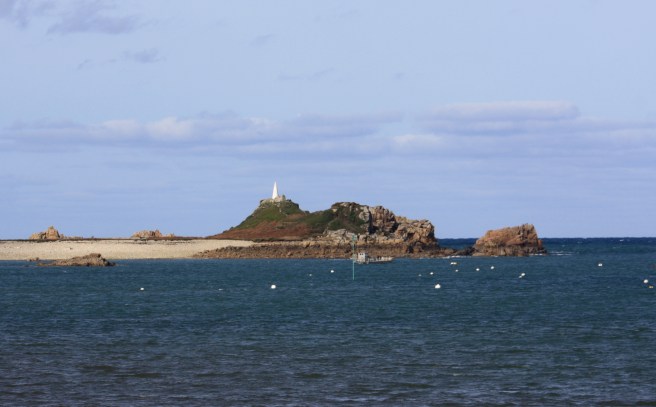
So we went up to coast for a very brisk walk…

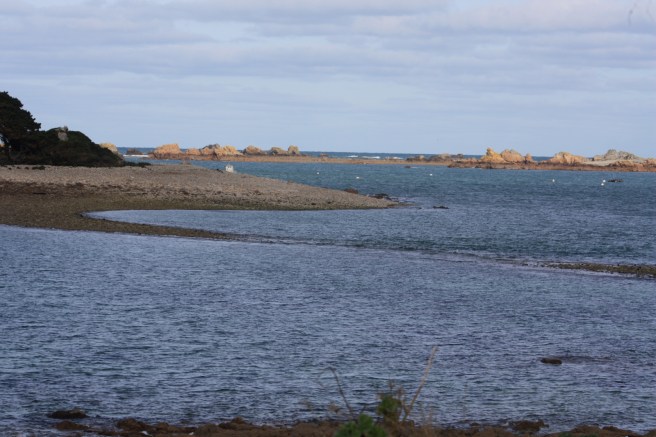
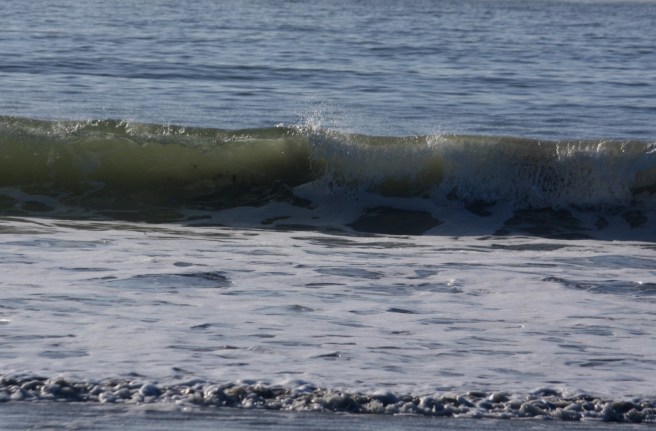
Out of season the light and visibility can be good…

The winter sun is low…

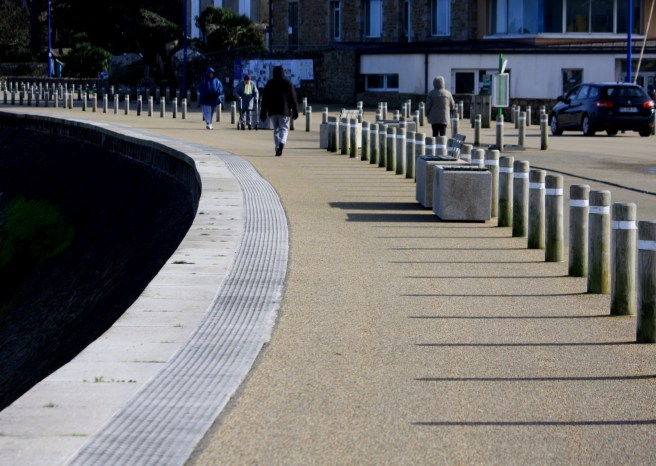
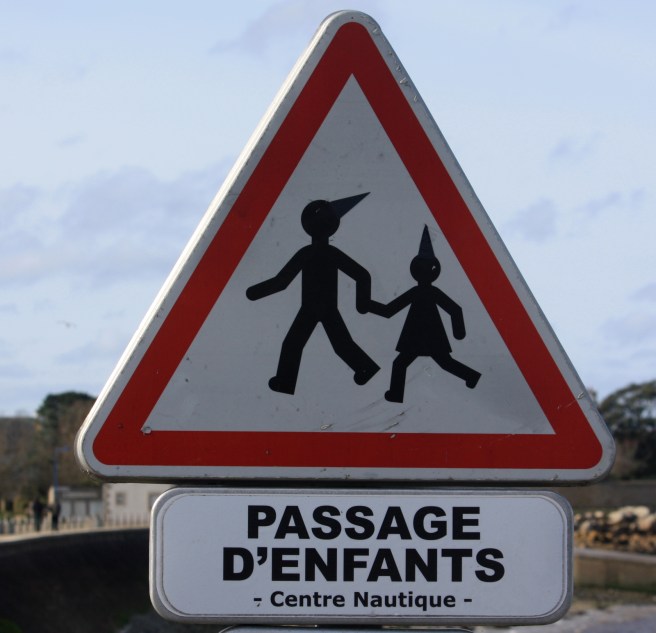
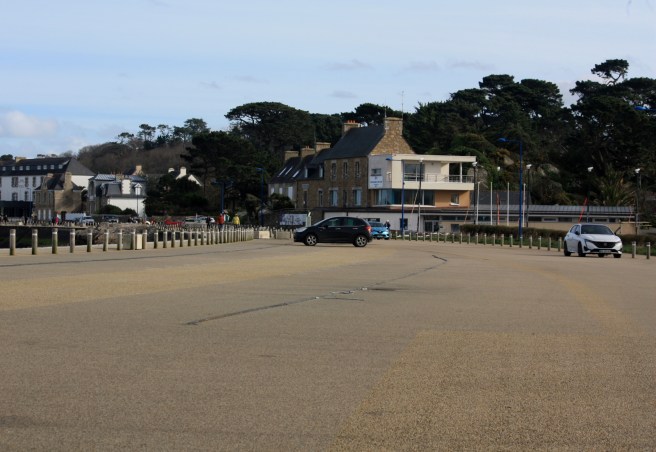
There is not much traffic but there are warnings for wizard children crossing.

There is a new campus to Hogwarts opening soon.

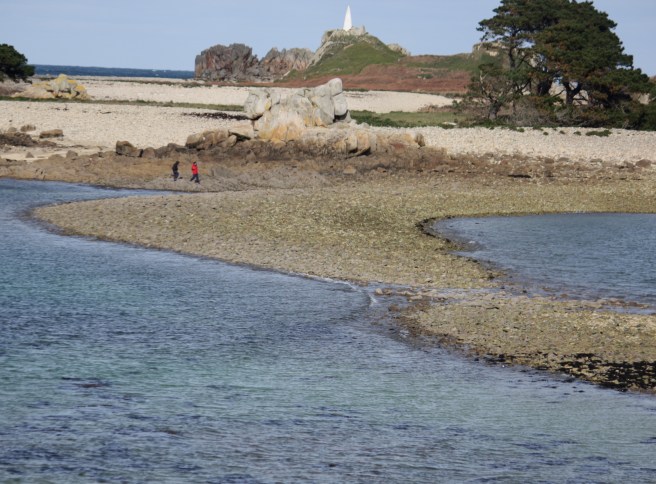
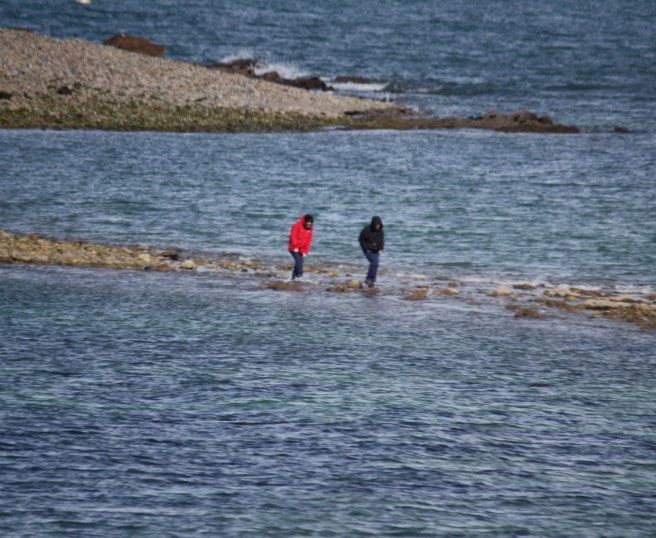
In summer many people get trapped on the islands by the tide.

The local newspapers often have news of rescues.

“Oh shit, we had better move…”

Cold wet feet…

Lucky escape…

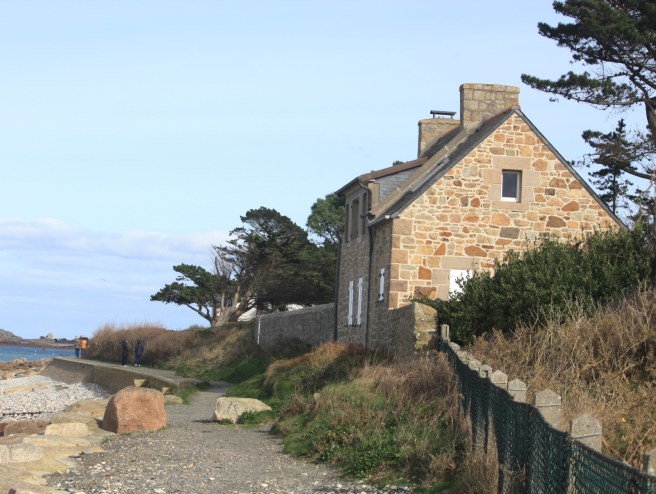
A room with a view…you can’t get much closer to the sea than this.

Must be epic in a winter storm here.

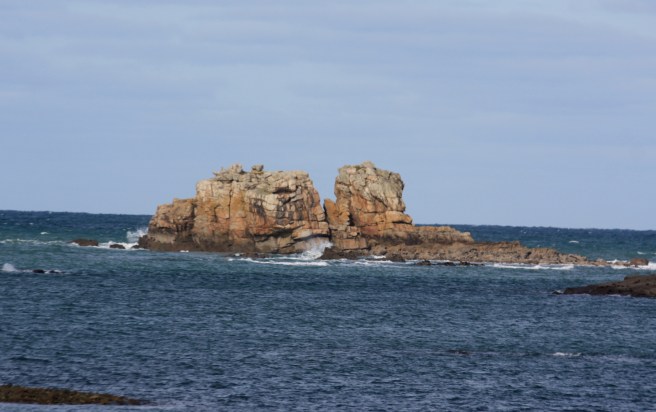
Imagine the waves crashing on this…

Shame it was so very busy…

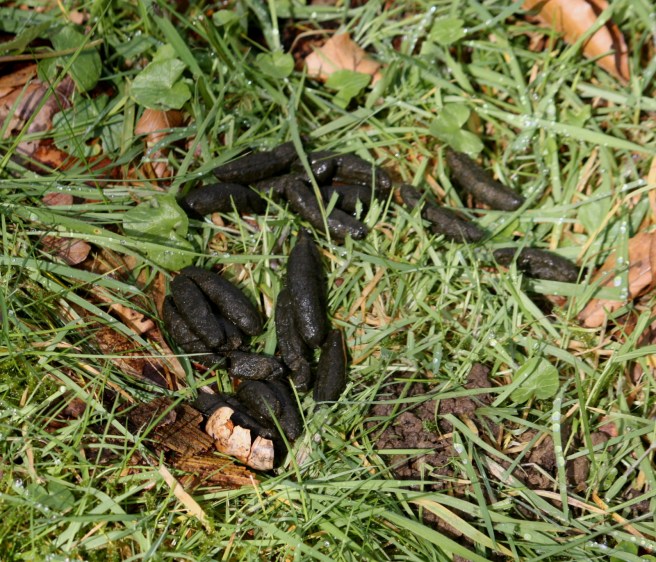
Permimeter Defences – Coypu – Badger and Wild Boar

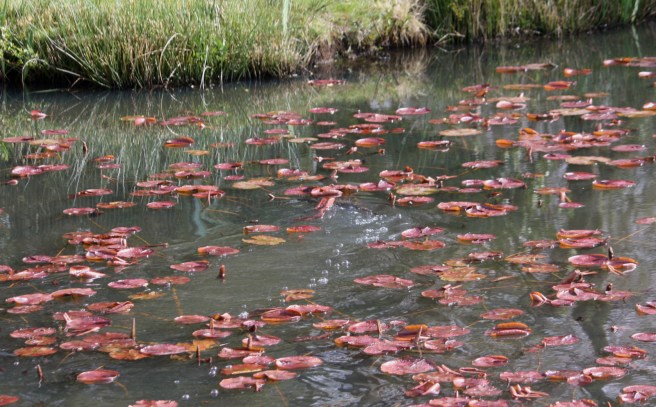
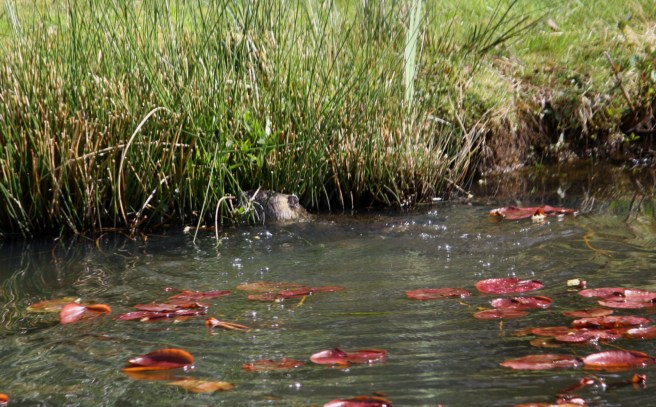
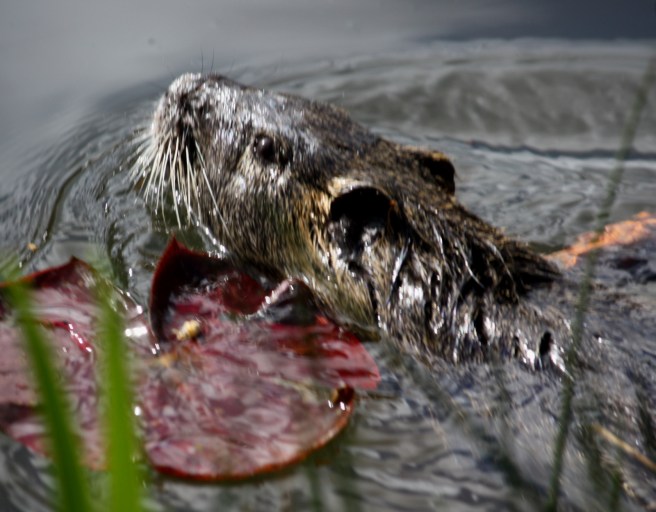
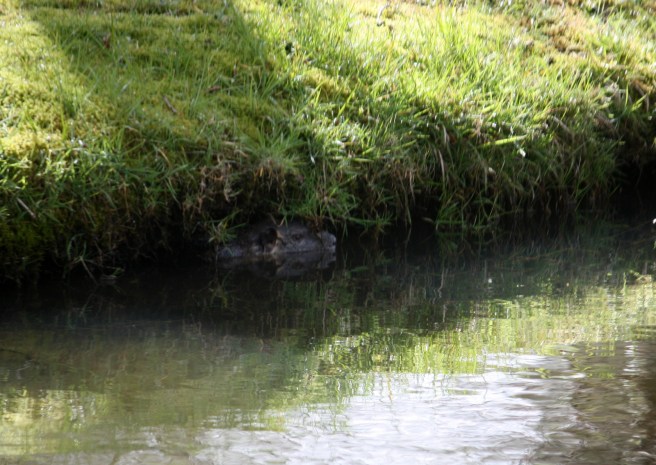
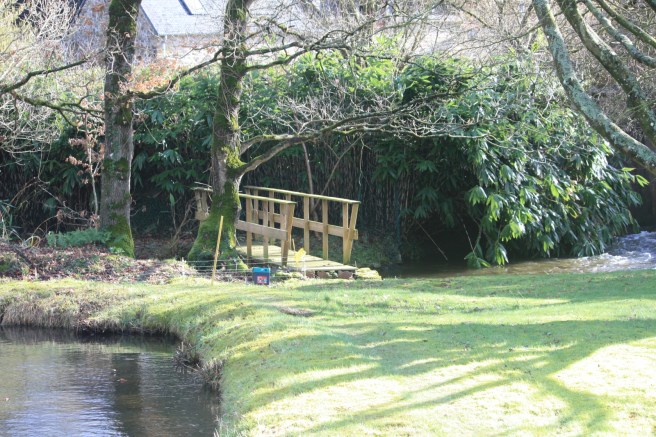
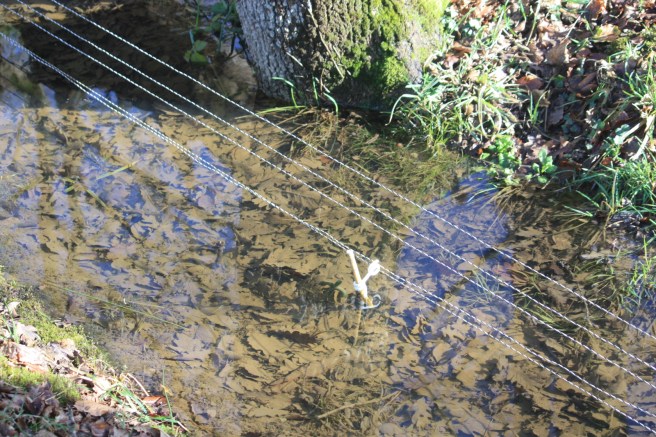
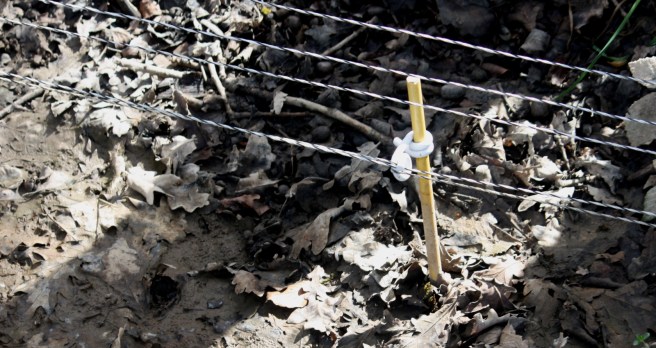
The first of the shagging toads have arrived in the pond. The start of the annual toad migration. There is an electric fence between the river and the pond to stop the coypu getting in.

One of the little buggers tried last night and disturbed the fence.

They are after the baby lotuses and irises.

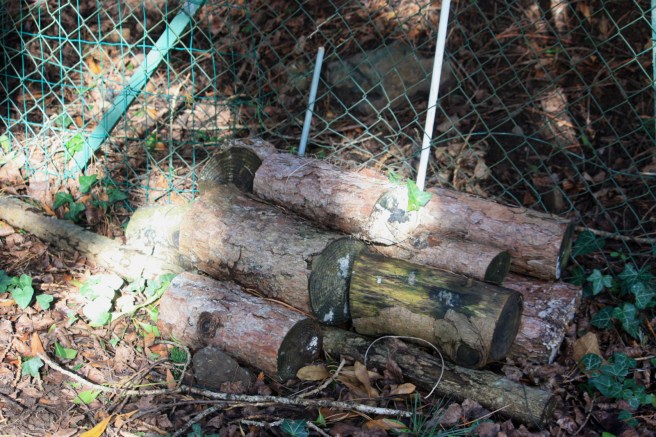
Previously the wife blocked the badger hole in the fence.

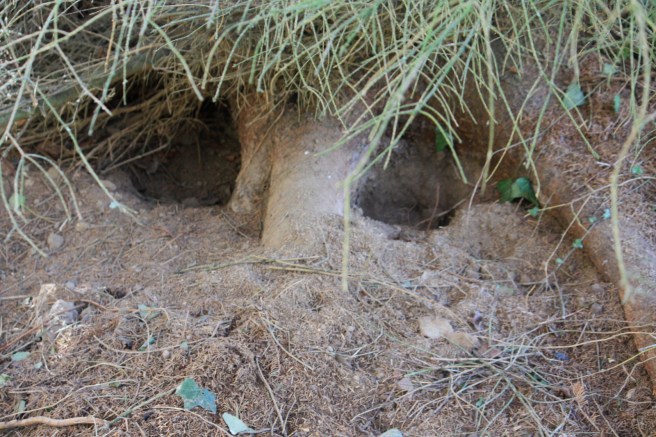
They built a small set in our garden..

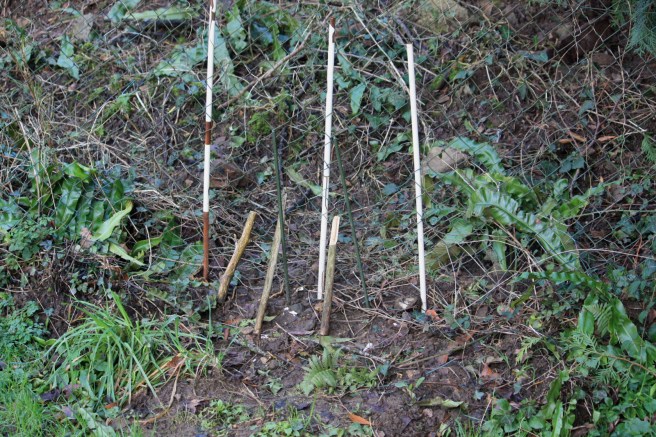
This is where the wild boars first got in…

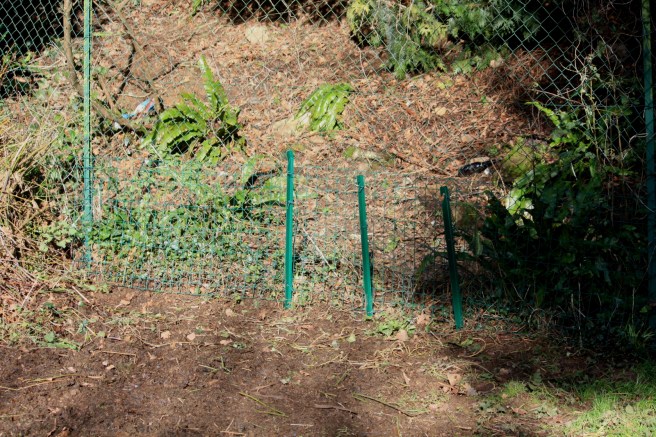
This is the repair of the second place they broke the fence. I am due to do more fence repair this afternoon.

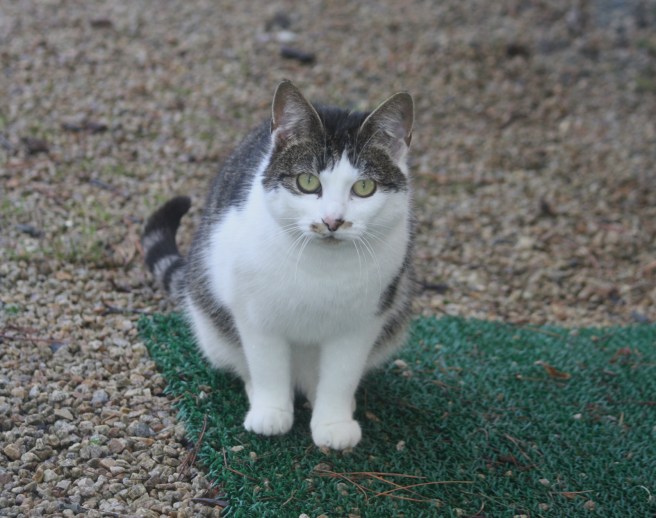
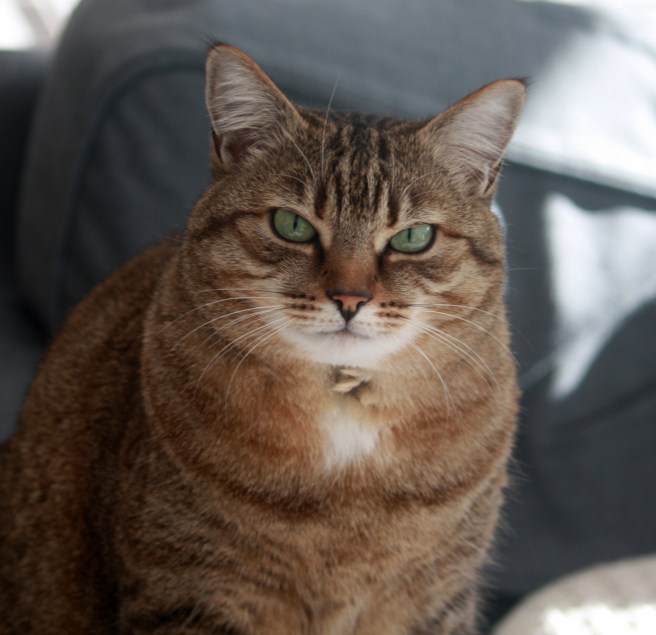
This is Gandalf the grey and white stray cat now a.k.a. Kidney because she leaves regular mouse kidneys and entrails for us as presents.

Mandala – Kālacakra and Tarot

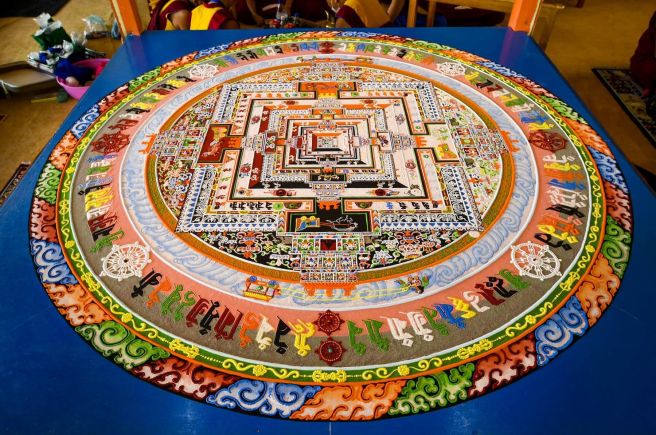
Mandala can be thought of as models or re-presentations of a reality. They are a way of arranging and making partial sense of observed phenomenon. They can be a short-form to a much wider corpus of thought forms and images. Having been a scientist I have used models to convey scientific knowledge to students. I have often wondered if the traditional setting of image collections of mandala is culture specific.

If one was bilingual one might see more commonality than difference.

The Kālacakra mandala is famous in Tibetan buddhism.

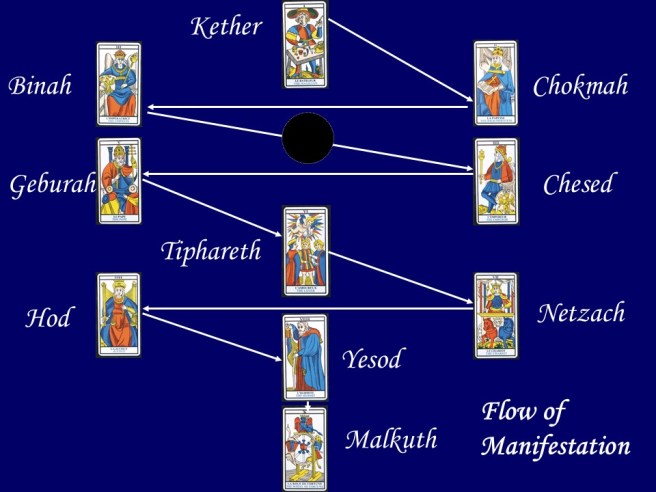
The kabbalists have the tree of life-

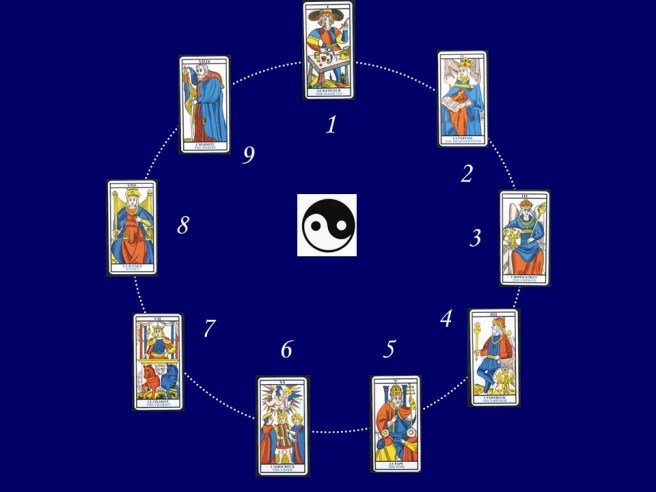
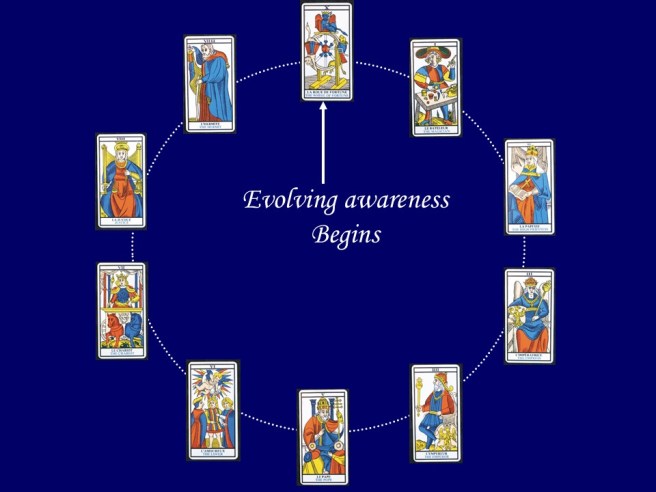
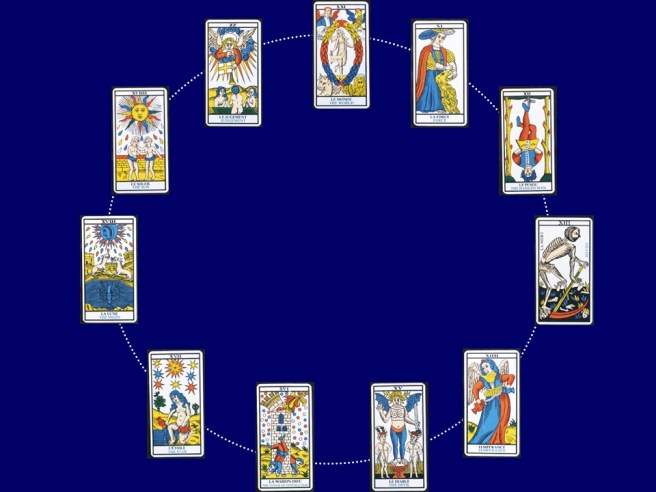
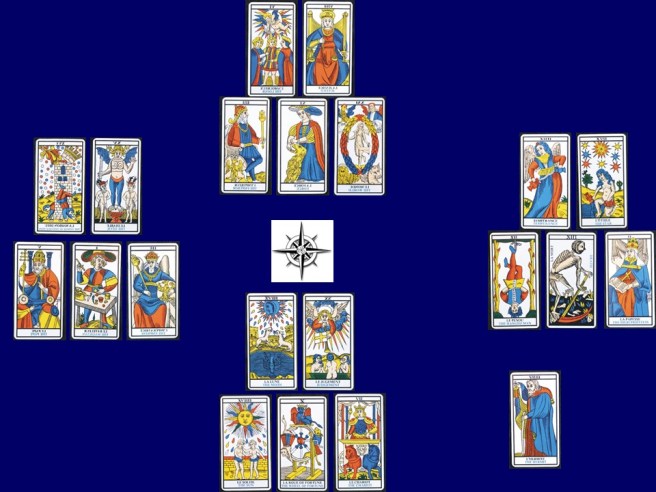
And the Jewels of Awareness or Tarot can be arranged according to a compass of N E S W.

These have a very mandala-like flavour.

Ashmole 972 and Tarot 20

The Bodleian Library has a number of the so-called Ashmole documents partially digitized and published online.

————————–

Theatrum Chemicum Britannicum, vol. 2.

Shelfmark: Bodleian Library MS. Ashmole 972

This one looks like Tarot 20 and has a very similar feel.

Some of the other images on line look very proto-tarot.

In one other llustration it suggests that there are concealed answers for a freed Soul which can be revealed from understanding the symbols displayed..

———————————————————–

Ashmole

Medieval and early modern manuscripts and papers donated to the Bodleian by antiquary Elias Ashmole (1617-1692).

Elias Ashmole (1617-1692) was born and educated in Lichfield. He began his career as a solicitor, but in 1644 entered the service of the Crown as a commissioner of excise. He entered the Office of Arms as Windsor herald after the Restoration, and retired in 1672.

His collection comprises important medical, astrological, and alchemical manuscripts, and is also strong in heraldry, local history, and, to a lesser extent, in Middle English and 17th-century poetry. The foundation of his Museum at Oxford was made possible by his acquisition by bequest from his friend John Tradescant of a large collection of ‘curiosities’. They arrived when the building was ready in 1683, and it was here that his bequest of manuscripts was housed until their transference to the Bodleian in 1860.

Tempest Ciaran – Towards Carbon Neutral

In autumn 2023 tempest Ciaran laid waste to a great number of trees in Brittany. This one was weakened and then fell in a subsequent storm a week or so later.
At first glance it does not look much. The shed in the background is however 4-5 metres long!

That is a lot of wood and debris..There were many trips to the green waste tip.

Sized and stacked…and now two years later ready for use in autumn 2025.

This morning I split a bunch of these and the wife stacked them in the garage….

Many talk a good climate game, few put their backs into to it with a 2.5 kg splitting axe…some can be a bit cerebral and precious.

It is a nice feeling to know we will use the carbon from the tree felled by a perhaps climate change fueled tempest to heat our home.

At over 100 trees we are by rough calculation aproximately carbon neutral.

We are making ready for when I can’t use the axe late autumn. One more session and we are good to go.

An Unfortunate Lunatic

William Blake, né le 28 novembre 1757 à Londres où il est mort le 12 août 1827, est un peintre, graveur et poète britannique.

Bien que d’abord considéré comme peintre — il a peint quelques tableaux à l’huile, préférant l’aquarelle et le dessin, voire la gravure et la lithographie —, il s’est surtout consacré à la poésie. Il est l’auteur d’un œuvre inspiré de visions bibliques à caractère prophétique. Artiste pré-romantique, son style halluciné est moderne et le distingue de ses pairs, bien que ses thèmes soient classiques.

Isaac Newton est représenté assis nu et accroupi sur un affleurement rocheux couvert d’algues, apparemment au fond de la mer. Son attention est focalisée sur des schémas qu’il dessine au compas sur un rouleau. Le compas est une version réduite de celle détenue par Urizen dans Le Grand Architecte (The Ancient of Days) de Blake

Visions

Malgré sa piété et son inspiration évangélique, William Blake fut longtemps cru fou par ses contemporains et y compris des études tardives. Ce n’est que récemment que ses visions sont devenues les sources légitimes de son inspiration et de sa gloire.

Il aurait eu depuis son plus jeune âge des visions. La première intervint dès l’âge de quatre ans quand il vit Dieu et qu’il hurla de frayeur. Aux environs de neuf ans, il aurait vu à Londres un arbre empli d’anges aux ailes resplendissantes comme des étoiles. En d’autres occasions, il vit également des figures angéliques parmi des fermiers. L’une de ses peintures est l’évocation de la vision du fantôme d’une puce (The Ghost of a Flea, 1819–1820, Londres, Tate Britain)

To see a World in a Grain of Sand
And a Heaven in a Wild Flower
Hold Infinity in the palm of your hand
And Eternity in an hour.

William Blake

Robert Hunt wrote the only printed notice (in the radical family weekly The Examiner) of the exhibition and its Descriptive Catalogue, and through his vilification they became much more widely known than Blake had been able to make them. Hunt described the pictures as “wretched,” the Descriptive Catalogue as “a farrago of nonsense, unintelligibleness, and egregious vanity,” and Blake himself as “an unfortunate lunatic, whose personal inoffensiveness secures him from confinement.”

Britannica on line