Serum Protein Electrophoresis (SPEP) Test

I have been looking at results from these since December 2021 when the wife had her Myeloma diagnosis. There was a large monoclonal peak in the gamma globulin area, a characteristic “finger print”. I have seen dozens of these electrophoresis traces. Her therapy quickly reduced the monoclonal peak below the detection thresholds. The technique is key to the diagnosis of Myeloma and smouldering Myeloma.

My blood is having one of these tests done today. I have found that Canadian healthcare web sites have a nice balance of detail and not treating you as a numpty.

——–

South Tees Hospital Pathology

“Serum electrophoresis is essential in the investigation of suspected paraproteinaemia and immune deficiency. Characteristic patterns are also seen in the presence of an acute phase response, nephrotic syndrome, alpha 1 antitrypsin deficiency, inflammatory and infective disorders. SPE is performed on all specimens submitted for immunoglobulin quantitation to check whether the immunoglobulins are polyclonal or monoclonal proteins. Polyclonal increases are due to and increased activity of numerous different lymphocytes and are associated with a wide range of infectious and inflammatory diseases including liver disease. The main value in serum electrophoresis is detection of monoclonal immunoglobulins associated with lymphoid malignancy, myeloma or related haematological disorders. Since quantitative immunoglobulin measurements cannot differentiate between monoclonal and polyclonal immunoglobulins, paraprotein determination (monoclonal protein) must be carried out by quantitation of bands obtained on electrophoresis.”

————-

From https://myhealth.alberta.ca

“The serum protein electrophoresis (SPEP) test measures specific proteins in the blood to help identify some diseases. Proteins are substances made up of smaller building blocks called amino acids. Proteins carry a positive or a negative electrical charge, and they move in fluid when placed in an electrical field. Serum protein electrophoresis uses an electrical field to separate the proteins in the blood serum into groups of similar size, shape, and charge.

Blood serum contains two major protein groups: albumin and globulin. Both albumin and globulin carry substances through the bloodstream. Using protein electrophoresis, these two groups can be separated into five smaller groups (fractions):

  • Albumin. Albumin proteins keep the blood from leaking out of blood vessels. Albumin also helps carry some medicines and other substances through the blood and is important for tissue growth and healing. More than half of the protein in blood serum is albumin.
  • Alpha-1 globulin. High-density lipoprotein (HDL), the “good” type of cholesterol, is included in this fraction.
  • Alpha-2 globulin. A protein called haptoglobin, which binds with hemoglobin, is included in the alpha-2 globulin fraction.
  • Beta globulin. Beta globulin proteins help carry substances, such as iron, through the bloodstream and help fight infection.
  • Gamma globulin. These proteins are also called antibodies. They help prevent and fight infection. Gamma globulins bind to foreign substances, such as bacteria or viruses, causing them to be destroyed by the immune system.

Each of these five protein groups moves at a different rate in an electrical field and together form a specific pattern. This pattern helps identify some diseases.

Serum protein electrophoresis is most often done to help diagnose and monitor a wide variety of conditions. These include:

  • Some forms of cancer.
  • Problems with the kidneys or liver.
  • Problems with the immune system.
  • Conditions that lead to poor nutrition.

High values

High values may be caused by many conditions. Some of the most common are shown here.

  • High albumin: Dehydration
  • High alpha-1 globulin: Infection; inflammation
  • High alpha-2 globulin: Inflammation; kidney disease
  • High beta globulin: Very high cholesterol; low iron (iron-deficiency anemia)
  • High gamma globulin: Inflammation; infection; liver disease; some forms of cancer

Low values

Low values may be caused by many conditions. Some of the most common are shown here.

  • Low albumin: Poor nutrition; inflammation; liver disease; kidney disease
  • Low alpha-1 globulin: Some genetic problems
  • Low alpha-2 globulin: Kidney disease; some cancers
  • Low beta globulin: Poor nutrition
  • Low gamma globulin: Problems with the immune system

Given the high levels of ferritin yet normal levels of transferrin in my blood, the primary screen has to be for liver disease. But the bullet point for cancer above has quite a list behind it. I guess that the beta globulins may be abnormal in some way because of Iron. Anything weird in the gamma region means more tests…There are rheumatological factors. The tests show inflammation. I don’t think at 100kg I class a malnourished.

Anything non-standard will mean more tests [probably].

I’ll speculate that more tests are somehow “on the cards”.

Am I a Mutant?

Tomorrow I am going to have genetic testing for hereditary haemochromatosis.

——————————-

“Haemochromatosis is caused by a faulty gene that can be passed on to a child by their parents.”

——————————

“Predictive testing of individuals who have a family history of HH, in coordination with appropriate genetic counselling

This test detects the 2 common disease-causing variants in the HFE gene: C282Y (c.845G>A) and H63D (c.187C>G). The S65C variant will be reported only when it is observed as part of the C282Y/S65C genotype.”

I have signed the form and given permission for any blood left over to be used for research purposes. I can’t undo the test nor unsee the results and if I am indeed a mutant there is a legal obligation for me to tell relatives in France. I can ask the GP to do this, if I want.

According to the NHS the disease is caused by a “faulty” gene, a bad pair of Levis. NHS speak is not always the most helpful and it is aimed low.

I will find out if I have the X-factor soon and if I can join the mutant army.

Because I have a proper nanna disease, osteoporosis, I am also having a whole bunch of other tests on my Thyroid function done.

Yesterday because we had mole sign, I set traps down by the edge of the pond. Today we went for a walk along a beach. Both of these are getting harder. In two weeks, I will find out if there is a possibility / likelihood of being able to have replacement hips. It is difficult to imagine what life might be like with some flexibility and reduced pain. There is no guarantee.

People selling hip surgery quote statistics like these:

“In general, the success rate for hip replacement surgery is high: About 95% of patients experience relief from hip pain. In one study, HSS interviewed patients to learn about their progress. Two years after their surgeries, 99.4% of patients said they had relief from pain, 98.8% said their ability to move was improved, and 97.8% said their quality of life was better because of their surgery.”

Because I am worth it…there is no big U for Unilever.

The Arthritis foundation says:

Pain Before and After Hip Surgery  

  • 90% – Of patients who had moderate pain before their first surgery reported mild or no pain after five years.  
  • 89% – Of patients with severe pain before their first surgery reported mild or no pain after five years.  

Limitations After Hip Surgery 

Some patients still have limitations after total hip surgery in activities like walking, climbing steps and getting in and out of a car. Seven percent of patients with moderate limitations and 20% with severe limitations before their first surgery still had severe limitations after five years. Among those having revision surgery, 13% who had moderate limitations and 30% with severe limitations reported severe limitations after five years – so 70% were doing well. 

—————————

This is not such a rosy picture. I am on the younger end of the age spectrum despite officially qualifying as an “older person” now. This data is not age weighted. Given my level of medical comorbidities, I don’t have to worry about living another twenty years, so I will probably only need one set of joints. It clearly is not a universal holy grail or panacea for hip osteoarthritis.

In some sense I will have to place a bet. I will be betting that the surgery can happen, that it works and that I recover. I am betting that it will not kill me. My guess is that the second operation will be harder to handle and the likelihood of death during and afterwards higher. I am betting that I will feel better and more able, eventually, post-op. It will take a lot of time.

If I have HH I will probably be getting bled on a regular basis too.

It is possible that I may have some more fun to add to the medical merry-go-round pencilled in for summer. Colonoscopy, prostate PSA levels too high follow up {un toucher rectal} and French rheumatology are all in my diary upcoming. I need to have a full dental survey to rule out infection before I start on bisphosphonates for my brittle bones.

Blood tests often lead to more blood tests…maybe my Thyroid is shot too!

Hey-ho…

It would be a lot easier to take me out the back paddock and shoot me….

High Haemoglobin High Ferritin Normal TSAT – More tests?

Following on from the visit to the rheumatologist I have had my ferritin and transferrin saturation levels tested again today. This rules out hereditary hemochromatosis so no need for HFE genetic testing.

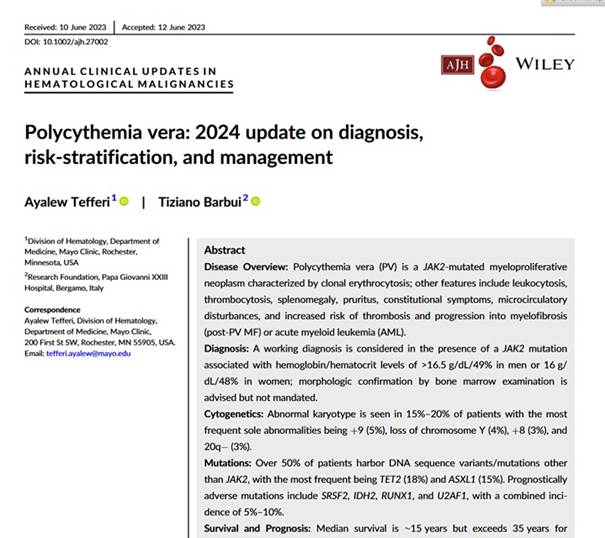
It does not rule out liver disease though my liver enzyme tests were good a month ago. It can be due to chronic inflammation, which I have. It can be due to alcohol misuse but the level has gone up and I am completely on the wagon for four months now. She suggested JAK poly gene screening for myeloproliferative neoplasms (MPNs) to help explain the polycythaemia and to definitively rule out these rare malignancies. The GP said that this was very specialised testing and would need a haematologist to authorise. We will see the wife’s haematologist next week.

As is so often the case one test instead of closing options / diagnoses, opens others. My upcoming sleep apnoea study might add another clue to the mix.

In 1994 I was bled on a regular basis at St Thomas’ hospital to try to address the high haemoglobin levels. They took several “armfuls” … But memory says this increased the haemoglobin levels a few weeks after they pulled the pint.

Maybe I should buy some leeches and have a DIY approach.

I have just found out that I also have mild osteoporosis in the hips which is fairly normal aged related and lower bone density in my spine, osteopenia, slightly more advanced than normal for my age.

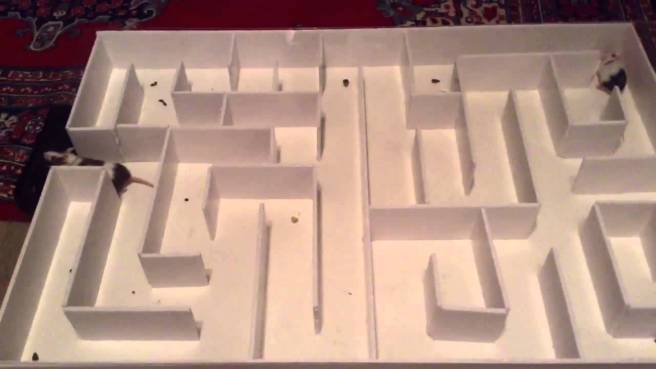
Must get a hamster wheel or a challenge reward maze from Amazon…

More questions…

Ready For the Knacker’s Yard


“A knacker, knackerman or knacker man is a person who removes and clears animal carcasses (dead, dying, injured) from private farms or public highways and renders the collected carcasses into by-products such as fats, tallow (yellow grease), glue, gelatin, bone meal, bone char, sal ammoniac, soap, bleach and animal feed. A knacker’s yard or a knackery is different from a slaughterhouse or abattoir, where animals are slaughtered for human consumption. Since the Middle Ages, the occupation of “knacker man” was frequently considered a disreputable occupation. Knackers were often also commissioned by the courts as public executioners.

Etymology

The oldest recorded use of the word “knacker” dates to 1812, meaning “one who slaughters old or sick horses” and in 1855 “to kill, castrate”, and is believed to be the same word as the earlier knacker/nacker “harness-maker” from the 1570s, surviving in 18th century dialects. The sense extension is perhaps because “knackers” provided farmers with general help in horse matters, including the disposal of dead horses and animals. The word is of uncertain origin, perhaps from the Scandinavian word represented by Old Norse hnakkur, saddle, and related to hnakki, “back of the neck”, possibly relating to neck.”

Excerpted from Wikipedia


The medical merry-go-round continues…

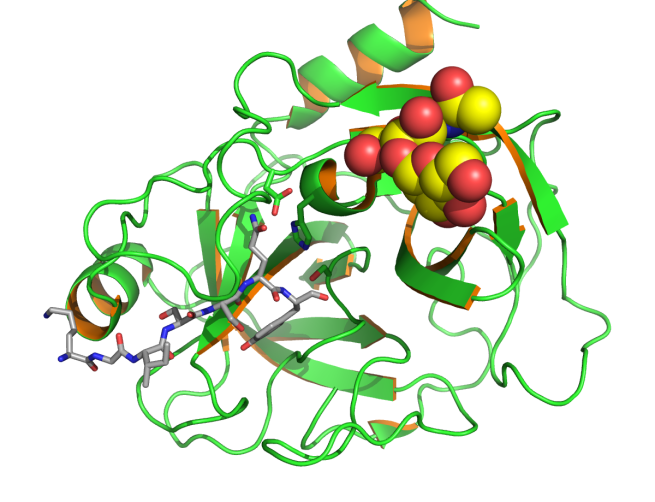
“Prostate-specific antigen (PSA), also known as gamma-seminoprotein or kallikrein-3 (KLK3), P-30 antigen, is a glycoprotein enzyme encoded in humans by the KLK3 gene. PSA is a member of the kallikrein-related peptidase family and is secreted by the epithelial cells of the prostate gland in men and the paraurethral glands in women.

As part of my three monthly MOT or Controle Technique, I had some blood tests yesterday. My Ferritin is elevated as is my PSA. The PSA result is above normal again and on an upward trend. I have had a digital {finger} and MRI scan and my prostate gland is enlarged. Last year there were no observable lesions in the MRI images.

The odds on prostate cancer have changed. It is more likely.

We were told to get back in touch with the piss-takers {urology} if my PSA result had gone up. The wife has been trying to get through. If ever there was a nanna-disease it is water works.

I have measured my blood pressure and at 133/85 it seems to be one of the few things still working. I am due a dental implant end of May and now have toothache to boot. Any infection will prohibit the implant.

I have just been preparing a detailed chronology / image database for a rheumatology private consultation “thanks” to my new printer. I needed to scan some documents. HP Smart is a misnomer. There is no way adding a “smart” “modern” printer to a WiFi network needs to be so fucking difficult.

Bring back serial ports and 9600 dot matrix baud rates…all is forgiven.

The so called “appli” or application which I downloaded onto a “smart” phone as a last resort did not work either…the Windows version failed to accept the correct network key!! To be told over and again that the correct network key is incorrect is not good. I have made a consumer choice never to buy HP again.

I once had a Kodak printer and it was the best. Simple. Easy to use. Effective. Cheap to run.

The number of things currently wrong and going wrong is increasing. Maybe the time to reincarnate as soap or glue is fast approaching….

Game Changer – Lung CT Scan

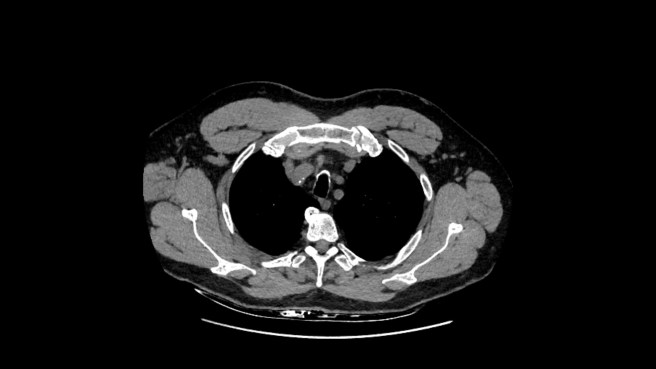
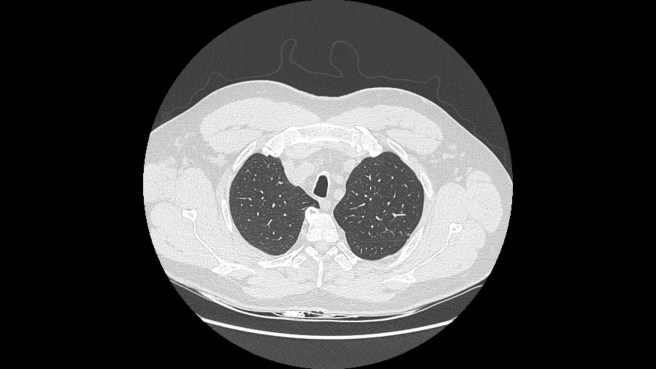
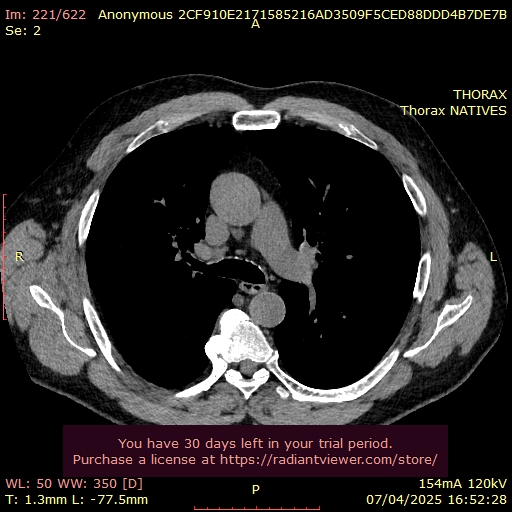
It is a nice sunny day and before lunch you download the CT scan results from yesterday. There is no commentary.

You open them up in a data viewer and you see an anomaly.

You do not need to work for SpaceX, NASA or ESA, in the rocket propulsion department, to note that something is wrong here.

You can see that the anomaly presses into the lungs on the left hand centre side of the image.

And that the joins with the ribs are also a bit off having downloaded a free trial of a medical data visualiser.

Quickly you come to the conclusion that whatever it is/was you thought you might have been doing is now wrong.

The game has changed.

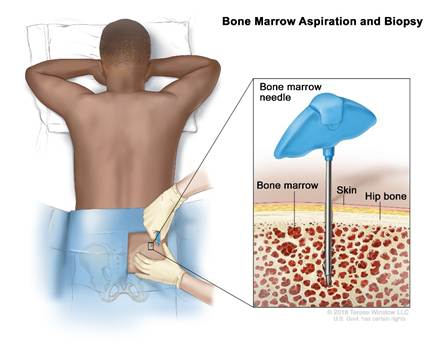
In my crystal ball I see more medical appointments, scans and probably a biopsy…

Medical Merry-go-round

After the visit to the orthopaedic surgeon no replacement hip surgery is currently foreseen. Instead, I have been referred to a spinal column – pelvis surgeon following a programmed (S5-L1) MRI. They will use the water (T1) and fat (T2) resonance decay times to determine if the nerve roots are entrained, pressed upon. There is no neuropathy so this seems unlikely. I will be back to square one, I will not pass Go, nor collect £200.

Way back in ~1994 the Imperial College heath centre were trying to figure out why I was having major pain in my lower spine and pelvis. There was very restricted motion of my hips. They mentioned ankylosing spondylitis (AS). It went on for months and they could not figure out what was going on. There was a lot of pain and this preceded my depressive breakdown ~1995-7. The prospect of incurable ankylosing spondylitis as a ~30 year old is not an attractive one.

I am going to ask the general practitioner for a blood test for the human leukocyte antigen (HLA) B27 which is strongly implicated in AS.

There are some very lengthy forms for genetic consent here in France.

If this suggests AS I may be on the NSAIDs and Tumour Necrosis Factor Inhibitors. One of which is lenalidomide which the wife takes for multiple myeloma.

TNF

I would like some more clarity before anyone reaches for the knife…